
The expensive quarter
End-of-Term Lease Renewal & Return Management
Notice windows kept, options exercised deliberately, devices returned with evidence.
Why end of term is where leases leak
The savings negotiated at signature are given back at expiry — through evergreen extensions nobody chose, condition penalties on devices returned without evidence, and buy-outs made by default rather than by calculation. This is the module that protects the deal.
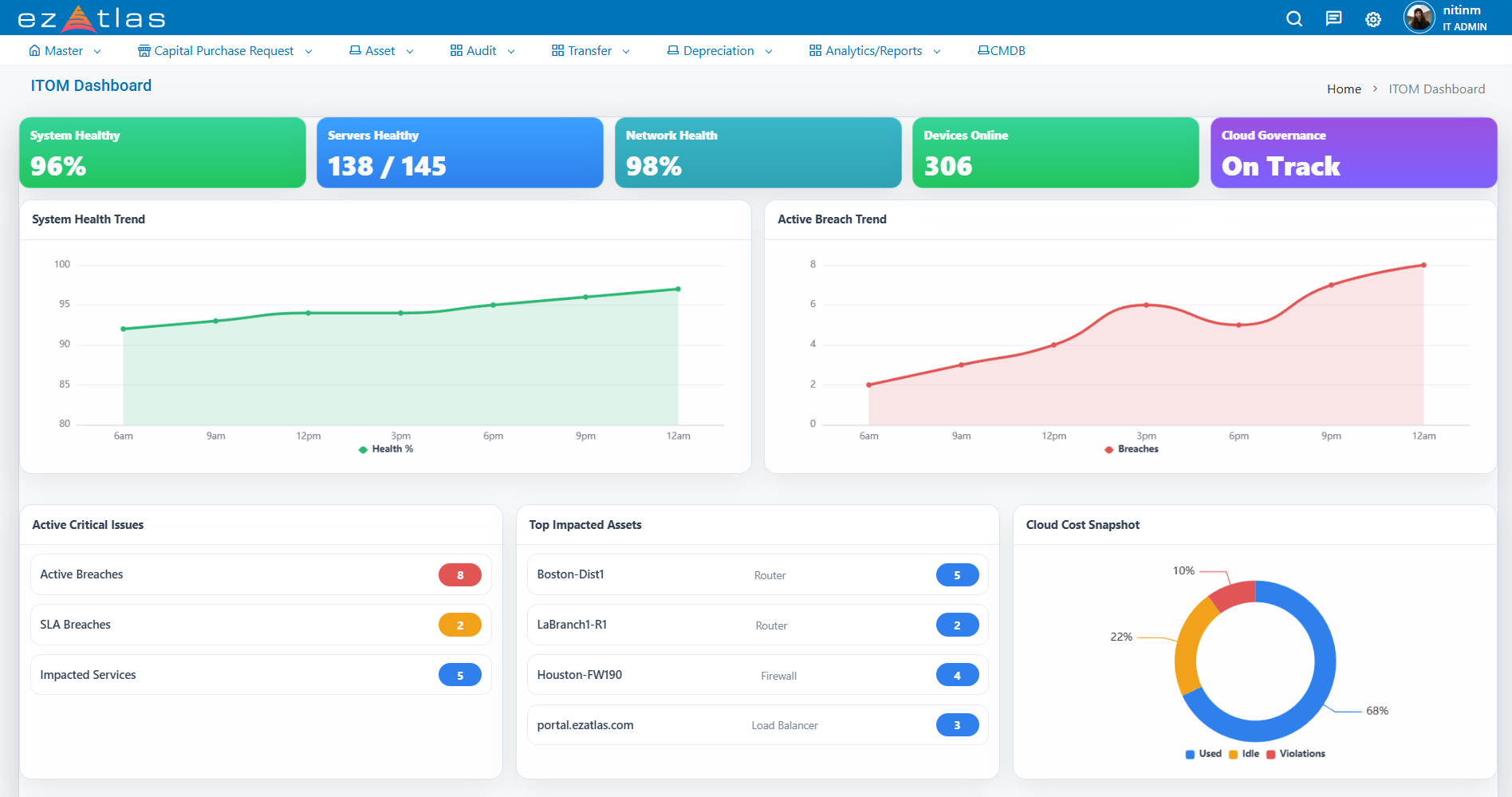
Overview

What is End-of-Term Lease Management?
End-of-term management is the process of deciding and executing what happens to leased equipment as its schedule expires. Each schedule offers options — return the equipment, extend the term, or buy it out at a stated or fair market price — and each option must normally be exercised inside a notice window months before expiry. Missing that window usually triggers an automatic extension at the original rate, which is how organisations end up paying for five-year-old laptops. Executing a return is equally consequential: devices must be collected, securely erased, assessed against contractual condition standards and acknowledged by the lessor, or the lessee remains liable.
Key Capabilities
-
Notice window calendar
Every schedule surfaced ahead of its deadline with owner and escalation.
-
Option comparison
Return, extend and buy-out compared against remaining liability and residual position.
-
Buy-out & FMV handling
Stated or fair market buy-out prices captured and the asset transferred to owned.
-
Return runs
Group devices into a return, tracking collection, erasure, condition and dispatch.
-
Lessor acknowledgement
Capture proof of receipt per device and close the obligation.
-
Condition & penalty defence
Photographic and certificate evidence retained to contest condition claims.
Business Outcomes
-
No accidental evergreens
Decisions are made inside the window, deliberately.
-
Penalties contested with evidence
Condition and erasure records retained per device.
-
Clean closure
Schedules close with every device dispositioned.
-
Better renewal terms
Negotiation starts early, with the numbers already known.
Use Cases
Procurement
Enter renewal negotiations with the remaining liability and buy-out economics already computed.
IT operations
Run coordinated return campaigns across sites without losing devices in transit.
Finance
Close expiring schedules with every device dispositioned and the accounting consequence posted.
Compliance
Evidence secure erasure for every returned device, retained after the lease closes.
What's slowing teams down today
- Notice windows missed
- Options exercised by default
- Returns without evidence
- Stranded devices
ezGuider AI Guardrails
End-of-Term, Renewal & Return
ezGuider AI ranks approaching expiries by exposure — schedules where auto-extension would be most expensive, devices whose condition history suggests a penalty risk, and buy-outs that price below the asset's remaining useful value — so the team works the costly ones first.
BUILT FOR YOUR SECTOR
Industries we serve
ATLA adapts to category structures, compliance needs and workflows across asset-heavy and service-led enterprises.
Manufacturing
Pharmaceutical
Infrastructure
Engineering andConstruction
Business Service
Global Capacity Centres
Retail & Distribution
PSU & Government
Automotive
BFSI
Education
Healthcare
PLATFORM IMPACT
Why choose DaaS 360 over calendar reminders and email
End of term is usually managed by a reminder in someone's calendar and a chain of emails. Here is what changes with a tracked process.
Notice tracking
Portfolio-wide window calendar with owners and escalation
Option decision
Compared against remaining liability and recorded
Return execution
Return runs with per-device collection, erasure and dispatch
Lessor acknowledgement
Captured per device and closes the billing obligation
Penalty claims
Condition and erasure evidence retained against each unit
Auto-extensions
Expiry exposure ranked to prioritize high-cost auto-renewals first.
Core ERP Integration







SOLUTION WORFLOW
How End-of-Term, Renewal & Return solves it
DaaS 360 surfaces every schedule approaching its notice window, presents the option economics against the current book position, records the decision, and then drives execution.
Surface
Notice Window
Compare
Options
Record
Decision
Execute
Return or Buy-out
Close
Schedule
Ready to transform your Lease Management?
See Returns & Renewal Automation in action as part of the unified DaaS 360 platform.