Blogs

Source to Pay Platform: A Complete Guide for Modern Procurement
Modern procurement has moved past simple cost-cutting metrics.
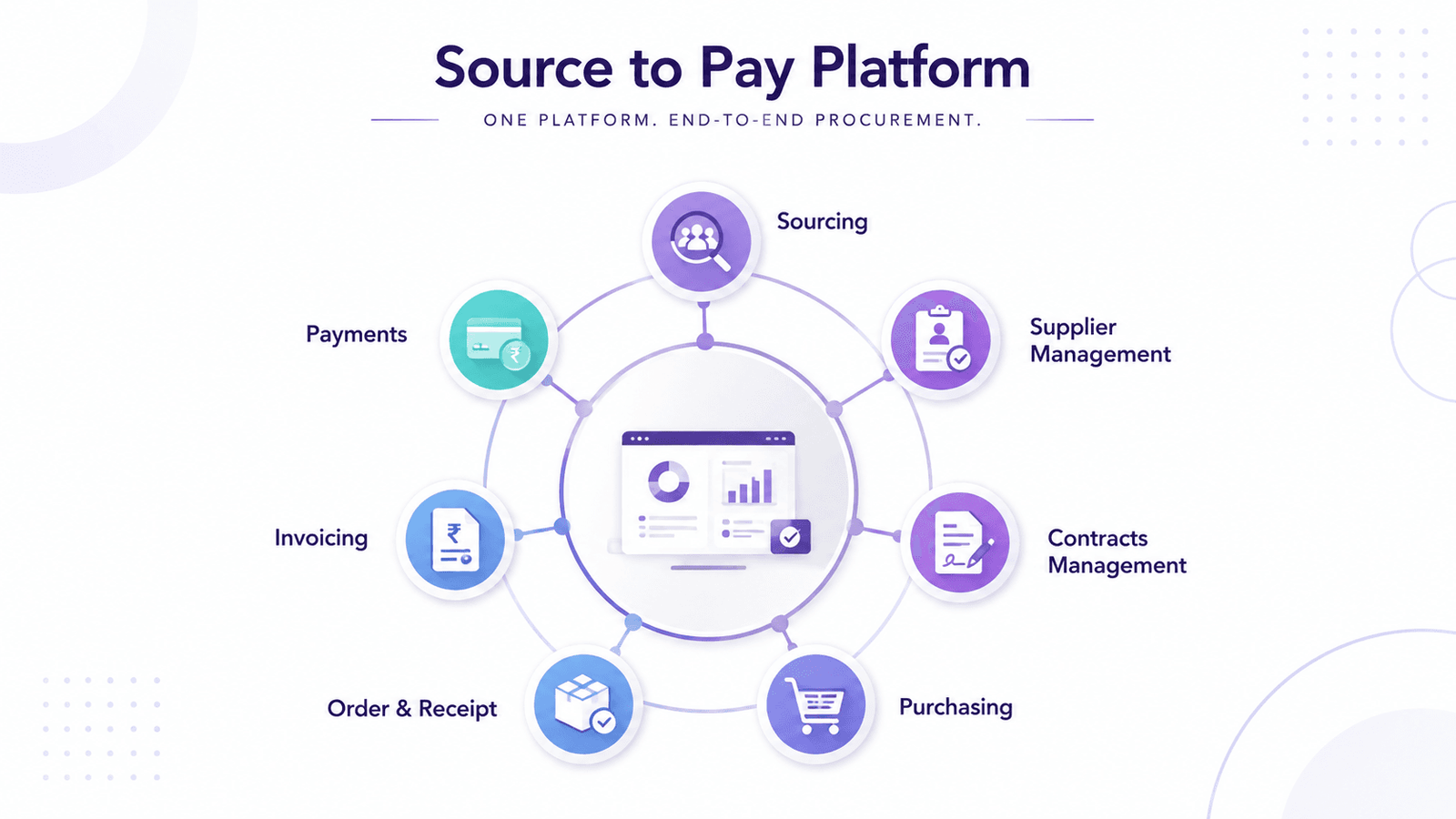
The real test now is velocity and clarity, pushing purchase orders across the finish line without someone constantly chasing people down over email. That shift is exactly why the Source to Pay Platform has become the backbone of modern procurement operations — a single system that connects sourcing, supplier management, contracts, purchasing, and invoicing under one roof.
If you’ve spent any time comparing procurement software, you already know the space is crowded. What’s changed recently isn’t the basic idea of S2P, but how much of it now runs on AI, and how differently vendors are packaging that intelligence.
What Does an S2P System Actually Cover?
In short, think of it as an end-to-end purchasing spine. It handles supplier vetting, contracts, approvals, PO generation, and payment matching under one roof. Traditional procurement relied on disconnected point tools, a nightmare for finance teams, who regularly lost half their week hunting down why numbers didn’t line up between systems. Centralizing the whole pipeline clears out that dead weight. If contracts, vendor details, and transactions share a common eco-space, finance doesn’t have to guess what sourcing negotiated months earlier.
Why Companies Are Consolidating Source to Pay Procurement Under One Vendor
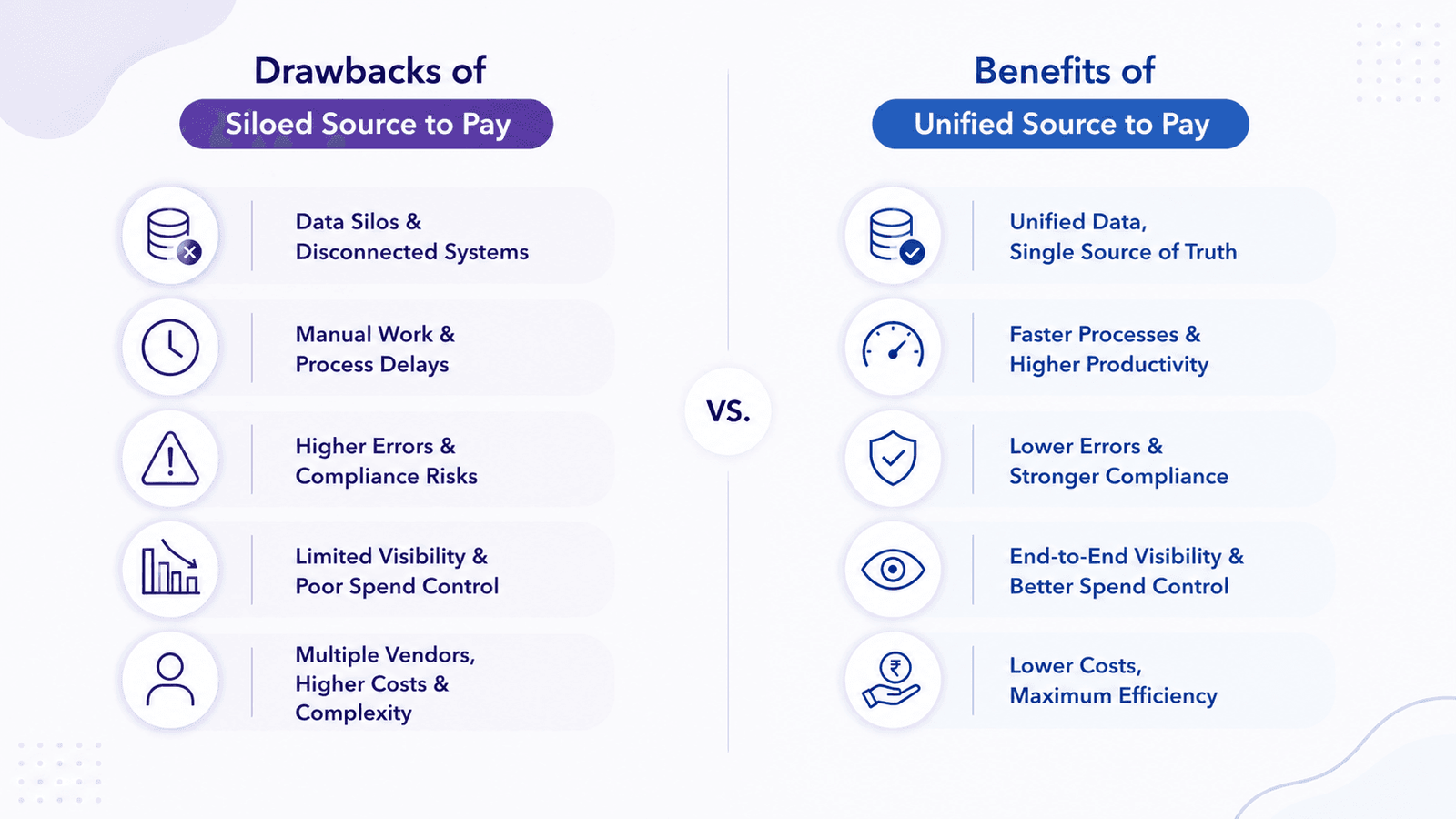
Stacking five or six disconnected platforms is a trap. Integrations snap. Teams get sick of juggling logins and babysitting manual spreadsheet dumps every Friday just to close the books. When you roll the whole cycle into one vendor, those headaches vanish. Finance gets a dependable audit log. Support calls go to a single team. More importantly, any automation or AI you turn on gets to look at the entire operational picture, rather than guessing its way through siloed scraps of data.
Who's Leading the Category in 2026
Coupa didn’t become a spend-management giant by accident. Two decades in the game gave them time to build out a massive footprint that covers procurement, invoicing, and treasury in one breath. Still, it’s not for everyone. Massive enterprises can align with the price tag and grueling implementation cycles. But teams already comfortable running agile setups like NetSuite usually find Coupa too rigid—and frankly too heavy to mold to their current stack.
GEP has taken a different route, folding its SMART and NEXXE products into a combined AI layer while continuing to support SMART without forcing customers to migrate. The big hook with GEP is their consulting footprint. They bundle the software with hands-on managed services, making them a one-stop shop for businesses looking to outsource the entire transformation headache. It works, but it comes with a distinct trade-off: you’re essentially renting operational competence from GEP rather than building self-sufficient procurement muscle under your own roof.
Ariba just makes sense for S/4HANA houses. You get to skip the whole API integration circus entirely; supplier files and purchase reqs talk directly through native data tables. Beyond the SAP orbit, you see names like Zycus, JAGGAER, and Ivalua holding their own by catering to vertical edge-cases or pitching sharper AI automations.
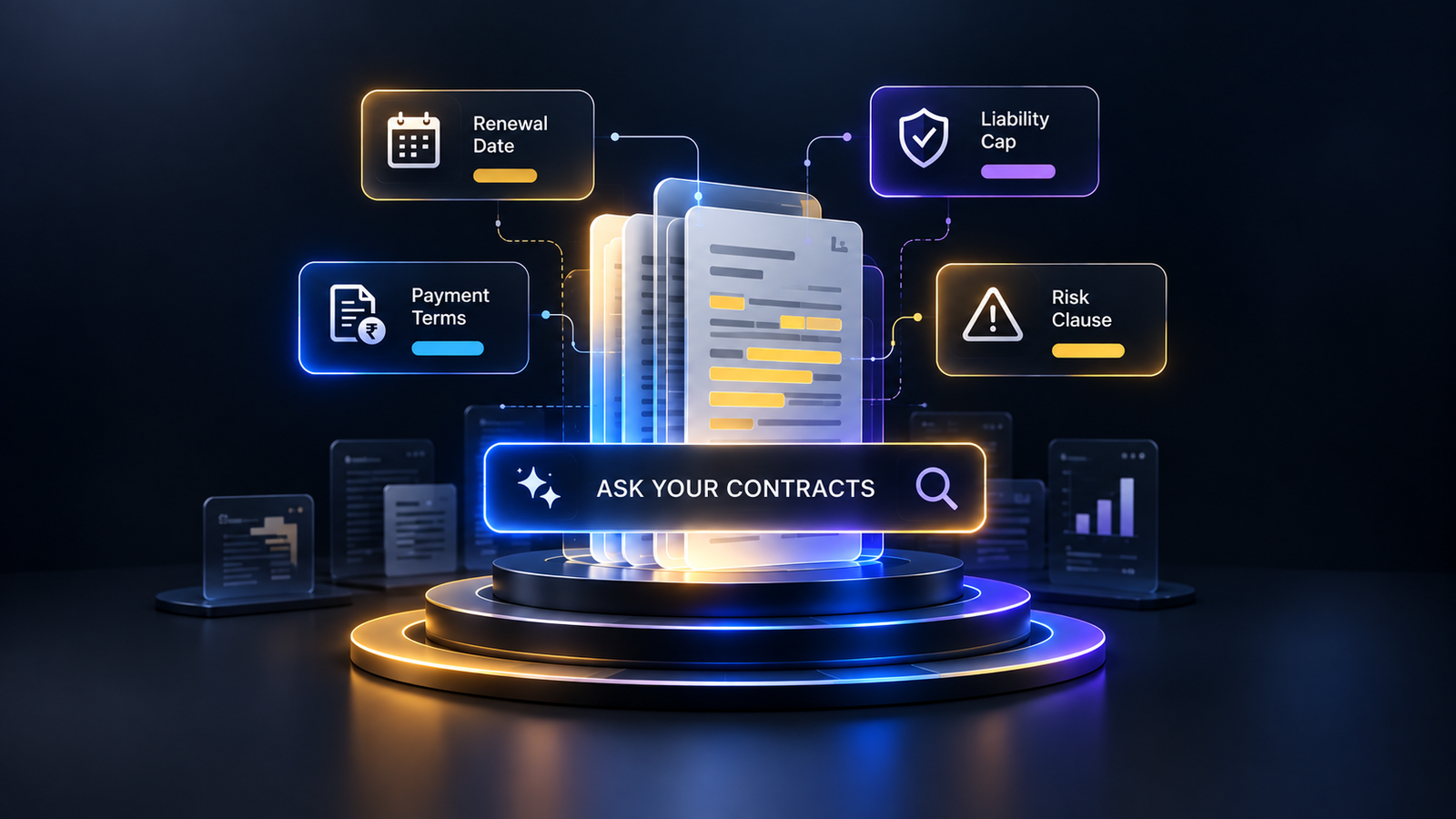
Where ezAtlas tends to pull ahead is speed and fit for organizations that need more than a generic global rollout. Feature-wise, ATLA Platform mirrors what the global players offer across contracts, sourcing, and payments. But where it really carves out an edge is on the ground in India. You get native GST handling and flexible on-premise deployment choices right from the jump, backed by solid connectors into Oracle and SAP. That combination matters for teams that have watched a heavier enterprise rollout drag on for months: several organizations that evaluated SAP Ariba alongside ezAtlas ended up choosing ezAtlas specifically because implementation timelines ran in weeks rather than quarters, with a dedicated team involved throughout. Its AI layer, ezGuider, also runs horizontally across sourcing, contracts, and invoice matching rather than sitting inside one module, so a recommendation generated during sourcing is informed by the same data guiding contract compliance and payment approvals downstream — closer to the unified approach GEP and Coupa are still working toward with their own AI consolidation efforts.
The Growing Role of Automation in the Cycle
What’s pulling all of these vendors forward right now is Source to Pay Automation — not just automating a single step like invoice matching, but connecting AI across the entire lifecycle so that spend classification, supplier risk scoring, and contract compliance checks all happen without a human triggering each one manually. GEP’s Quantum engine, for instance, reportedly classifies spend against standard taxonomies with over 90% accuracy straight out of the gate, cutting down the data-cleansing work that used to delay rollouts by months.
Choosing the Right Platform for Your Organization
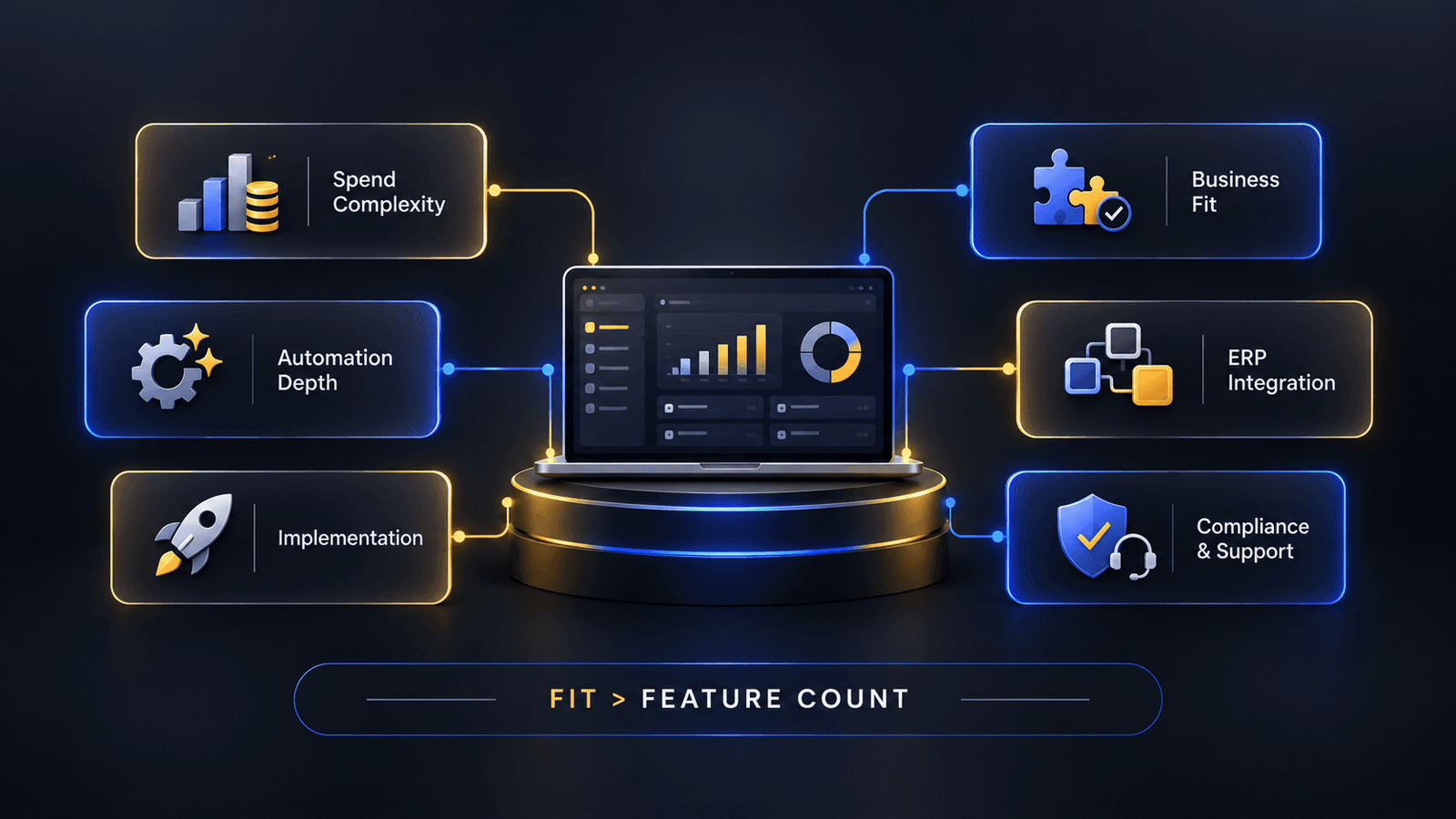
There’s no universal winner here. The right choice depends on your existing ERP, the complexity of your spend categories, and whether you want a vendor that hands you software or one that partners with you on the transformation itself. Truth is, nobody buys these in a vacuum. Ariba only makes sense if you’re already drowning in SAP. Want consultants to basically run the whole department for you? That’s Coupa or GEP. But the moment you need actual boots-on-the-ground compliance, think thorny GST filings, local tax quirks, or keeping data locked on your own servers, regional players like ezAtlas start eating everyone else’s lunch.
Software should make your team faster, not give them a second job chasing down paper trails. Cutting out redundant apps and getting a spotless audit log is half the battle. The other half? Deploying without an 18-month circus and actually handling regional rules on day one. If that’s what your procurement review is aiming for, set up a demo of ATLA and see how the platform stacks up against your current tools.
More Case Studies