Blogs

Source-to-Pay Software: Key Features Enterprises Should Look For
Growth breaks manual procurement every single time.
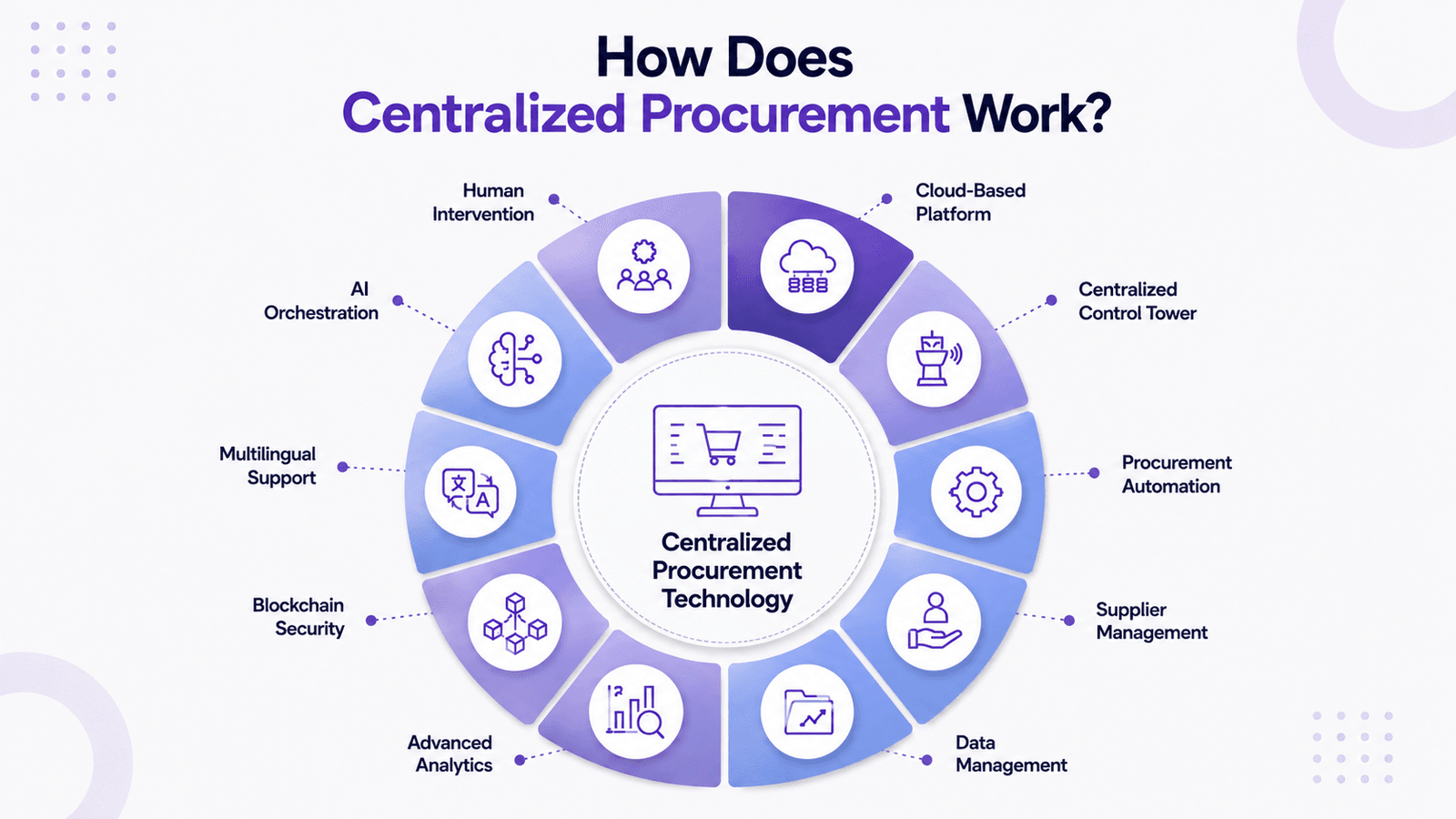
There comes a point where babysitting endless Excel tabs and tracking down approvals across random tools simply implodes under the weight of new suppliers and contracts. McKinsey backs this up: typical procurement employees now juggle about 50% more spend than they handled five years back. Teams didn’t suddenly double their headcount to pull that off, they survived because modern Source to Pay software finally picked up the slack.
That said, not every platform delivers the same value once you’re past the sales demo. Here’s what actually separates a system worth signing a multi-year contract for from one that just looks good in a pitch deck.
Centralized Supplier and Contract Data
Start with a brutally simple audit: can you find a vendor’s contract, pricing terms, and track record in under thirty seconds? If your buyers are still pinging Slack asking who has the latest PDF, your software isn’t doing its job. A decent tool links every PO back to the parent agreement automatically. That way, weird price hikes and creeping renewal dates hit your radar immediately—not six months down the line when an auditor catches you off guard.
AI-Driven Spend Classification and Visibility
This is where the category has moved fastest. A modern Procurement Software for Enterprise deployment shouldn’t require months of manual tagging before you get usable spend data. Don’t settle for AI that needs constant hand-holding. A viable system tags transactions natively, spots unauthorized expenses in flight, and serves up live category trends on a rolling basis. The days of accepting static quarterly wrap-ups are over. Ultimately, evaluate these platforms on one straightforward metric: does the machine actually handle the grunt work, or is your finance team quietly acting as human error-checkers?
Guided, Policy-Driven Buying
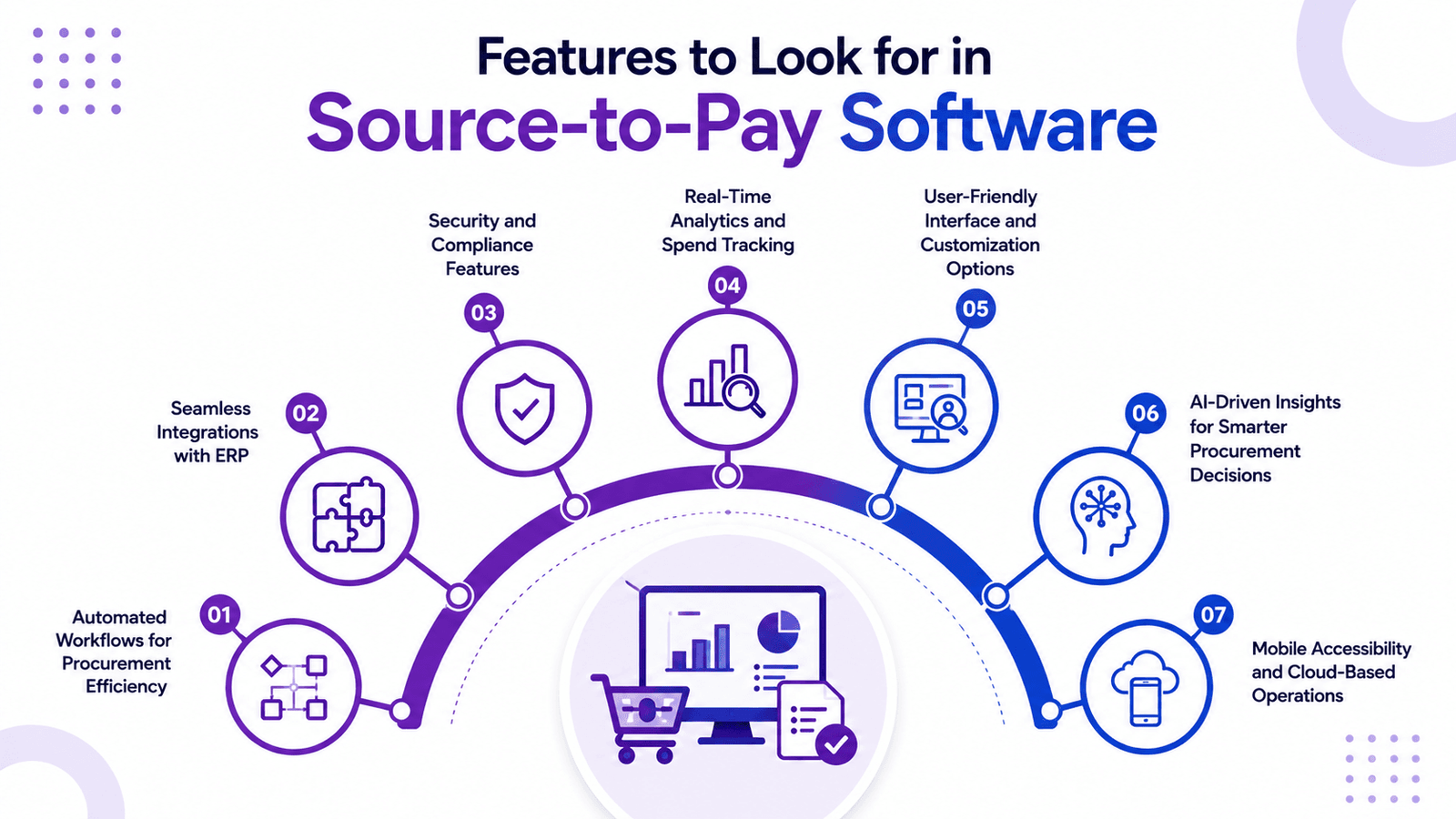
Employees shouldn’t need procurement training to submit a compliant request. Guided buying, catalogs, punch-outs, pre-approved supplier lists, and budget checks built into the request flow itself, keeps spend within policy before an approval is even routed, rather than catching violations after the fact. This is usually the real tipping point for platform adoption. Strip out the frustrating bureaucratic hurdles up front, and you kill the main excuse people use to bypass official purchasing paths.
Three-Way Matching and Invoice Automation
Manual invoice matching is still one of the biggest time sinks in finance departments that haven’t modernized. Automated three-way matching, comparing the purchase order, the receipt, and the invoice, should happen without a person opening three separate documents. The better platforms extend this further, using AI to catch pricing anomalies or duplicate invoices before payment goes out, not after.
Real Spend Management, Not Just Spend Tracking
There’s a meaningful difference between software that reports what you spent and Spend Management Software that actively helps you spend less. The latter surfaces consolidation opportunities across departments, flags contracts approaching auto-renewal, and benchmarks pricing against your own historical data. If you want to see what that looks like in practice, ezAtlas’s spend intelligence module is built specifically around this distinction — turning raw transaction data into category-level recommendations rather than static dashboards.
Deep ERP and Financial System Integration
None of the above matters if the platform can’t talk to your existing systems. Native integration with SAP, Oracle, or NetSuite, not a brittle third-party connector — determines how much of the rollout timeline gets eaten by data-mapping work. This is also where enterprise buyers most often get surprised: a tool that looks feature-complete in a demo can still take six to twelve months to implement if the ERP integration wasn’t built for your specific environment from the start.
Supplier Collaboration and Risk Monitoring
Global supply networks break simple address books. Look for a supplier management system that actively monitors regulatory paperwork and surfaces external shockwaves, from currency slips to regional sanctions, long before deliveries stall. Plus, ditch the spreadsheet ping-pong entirely. Vendors should manage their own banking info and compliance filings through a dedicated portal, taking your internal team completely out of the data-entry loop.
Scalability and Regional Compliance
Finally, consider where your business actually operates. A platform built primarily for US or European enterprises may lack the localization, GST handling, regional tax structures, on-premise deployment options, that matters if you’re scaling across India or other markets with distinct compliance requirements. This is often the deciding factor between two otherwise similar shortlisted vendors.
Putting It Together
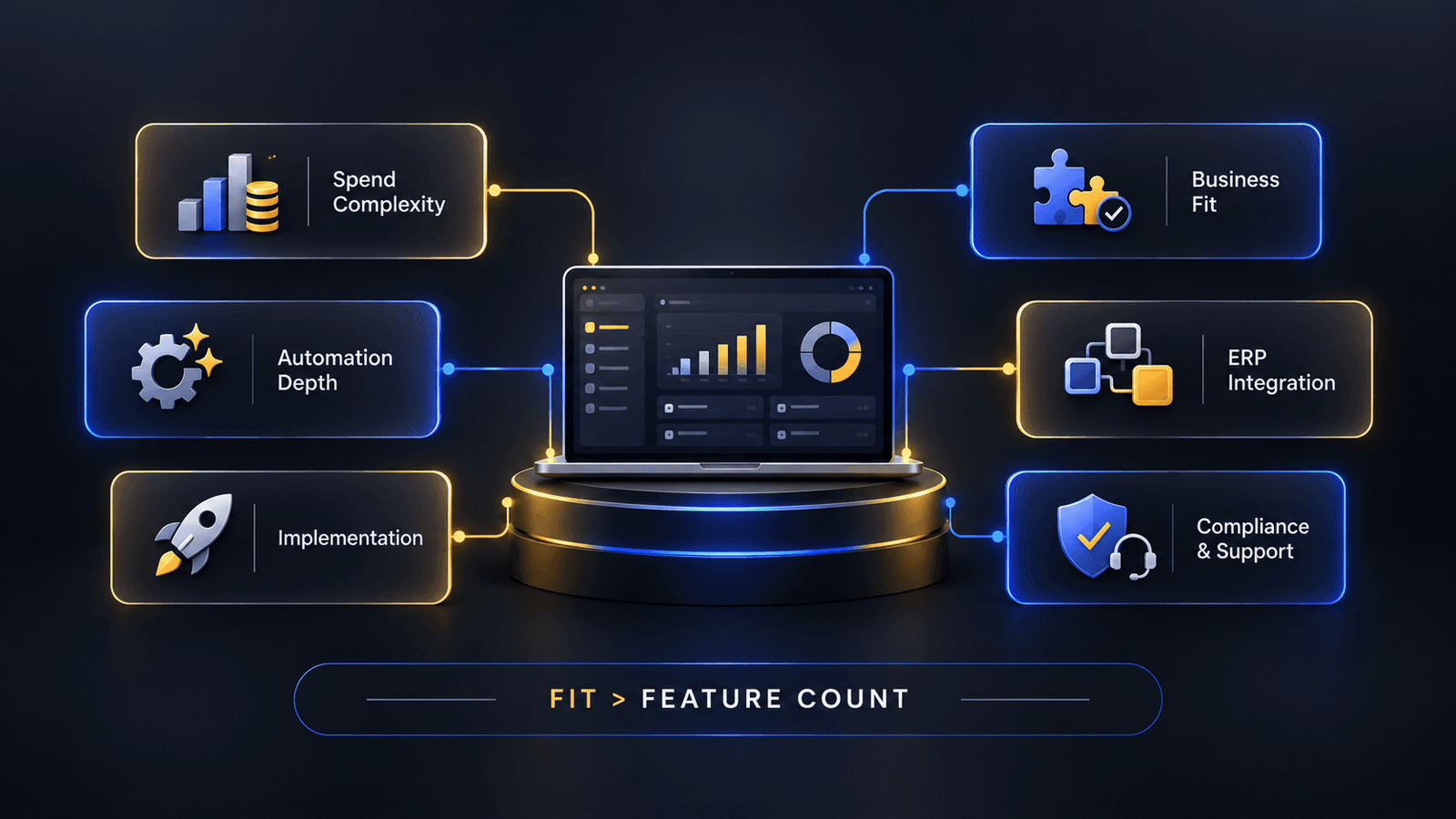
No single feature makes a platform worth adopting on its own. What separates a genuinely enterprise-ready system is how tightly these pieces connect — spend data informing sourcing decisions, contracts informing invoice matching, risk signals informing supplier selection. If you’re evaluating platforms against this checklist, it’s worth booking a walkthrough to see how many of these boxes a given vendor actually checks versus promises on a slide.
More Case Studies