Blogs

Why Enterprises Need Unified Contract + Procurement Platforms
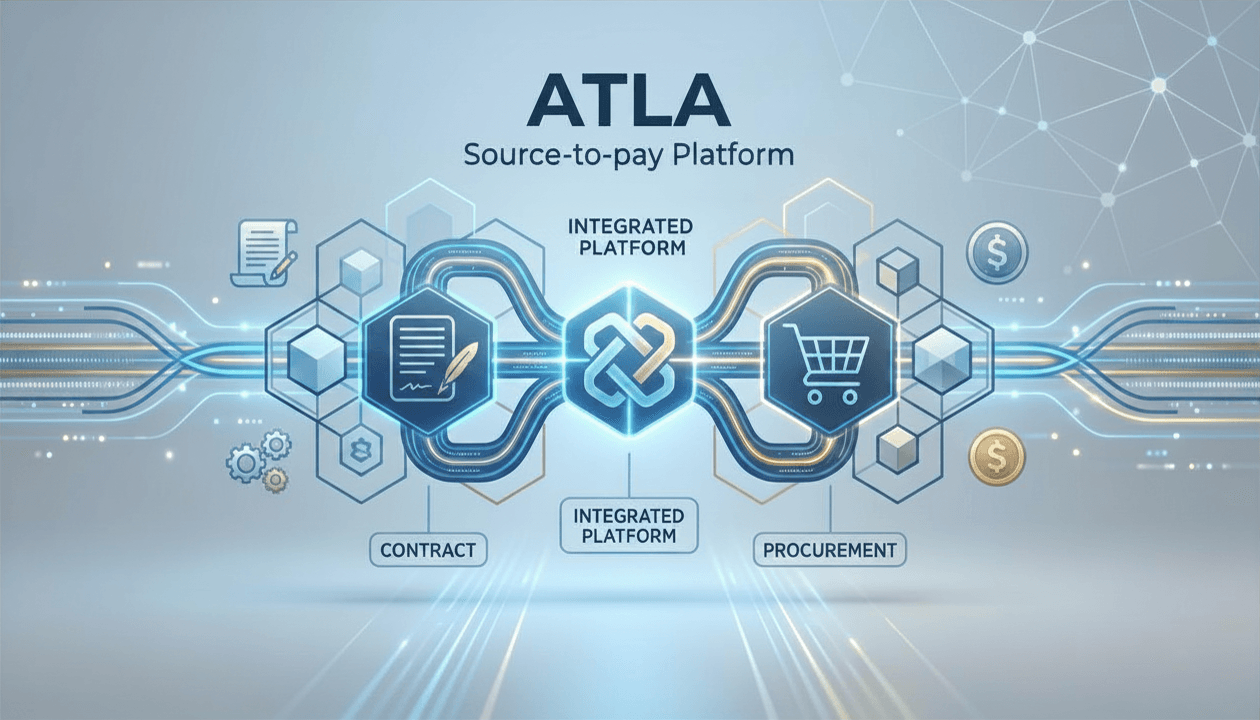
Procurement has officially moved out of the basement. It’s no longer just an administrative afterthought; today, the purchasing team directly calls the shots on everything from corporate budgeting and legal compliance to supplier relationships and supply chain survival.
But the actual day-to-day setup in most companies is still a mess. Essential tools don’t talk to each other,legal teams lock contracts in one system, teams buy goods through another, and critical vendor compliance tracking gets buried in a chaotic web of personal emails and shared spreadsheets.
Operating in these isolated silos creates massive operational friction and burns through cash that growing enterprises simply can’t afford to waste.
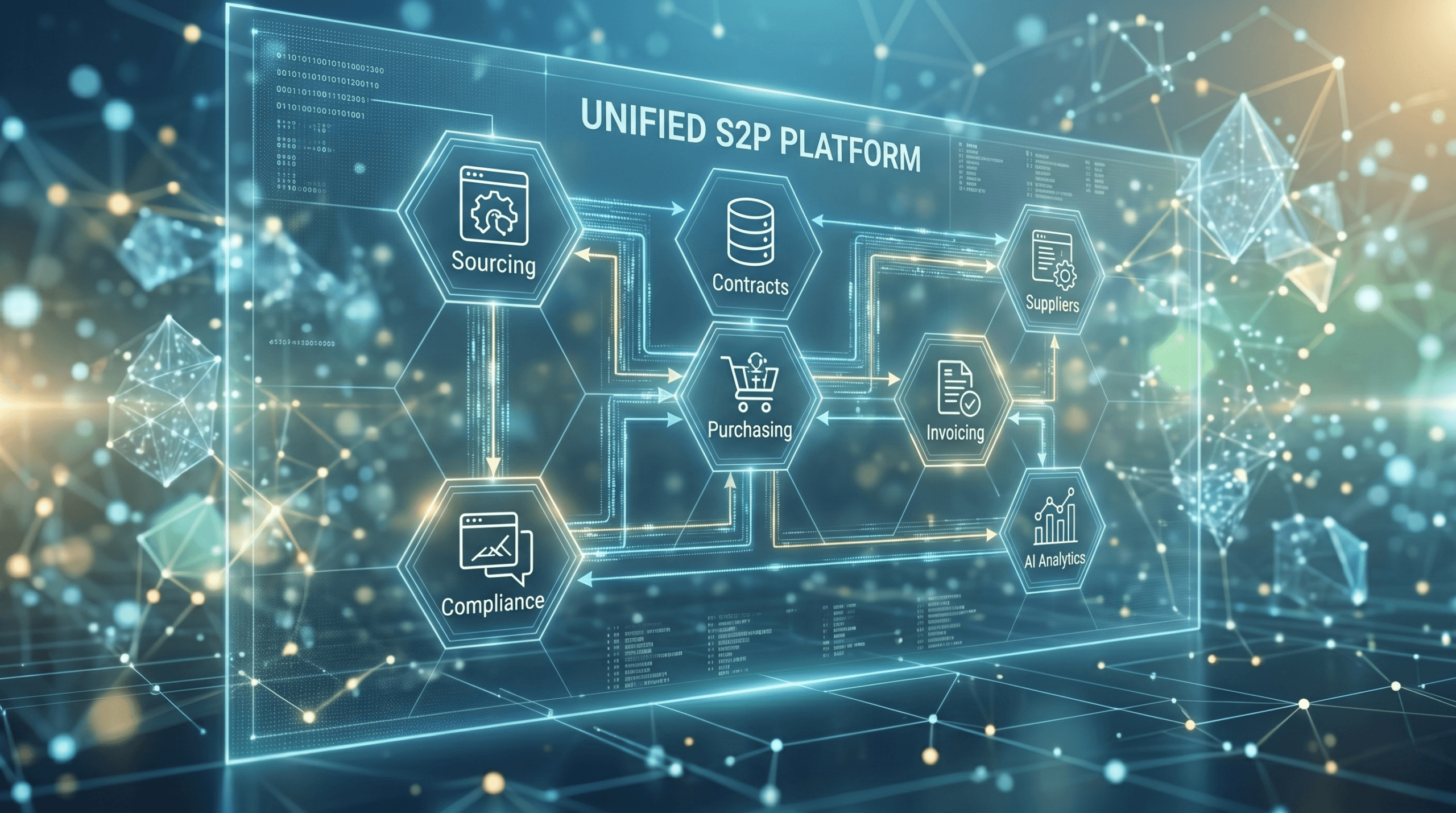
With global expansion making data more critical than ever, forward-thinking businesses are finally throwing out this piecemeal tech stack. Instead, the entire industry is pivoting to a comprehensive Source-to-Pay Platform. By pulling sourcing, legal agreements, vendor tracking, spend data, and internal approvals into one single cockpit, companies can stop chasing papers and steer towards a cohesive operation.
The Growing Problem with Disconnected Procurement Systems
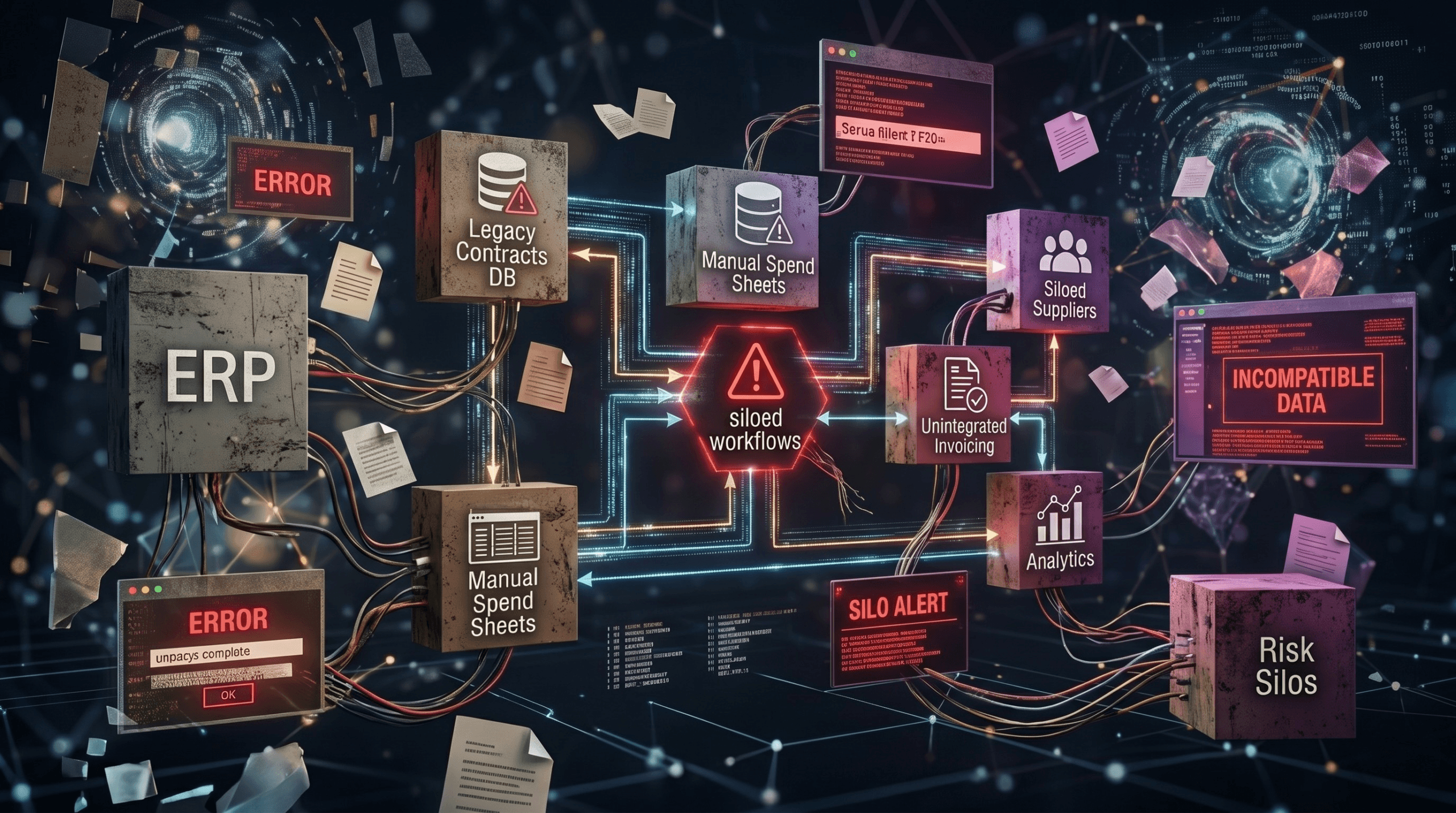
When operational silos take over, enterprise risk skyrockets. The reality inside many organizations today is pretty chaotic: procurement teams wrap up contract negotiations without any real clue how that vendor actually performs day-to-day. Meanwhile, buyers go rogue and raise POs that completely ignore those newly negotiated terms, leaving finance teams to sweat over invoices that don’t match the agreed pricing. On top of that, compliance tracking falls back on manual grunt work, meaning leadership is left totally in the dark without a clear, birds-eye view of where company cash is going or what commitments have been made.
Ultimately, these broken connections do more than just slow things down, they create massive governance blind spots that cost companies serious money.
Common Enterprise Challenges Include:
Spend Leakage
Companies lose out on the sweet deals they negotiated simply because everyday buying isn’t hardwired into a central Contract Management Platform
Compliance Risks
Good luck passing an audit when you’re relying on messy manual sign-offs and paper-thin tracking that leave the door wide open for policy blunders.
Slow Procurement Cycles
Forcing teams to constantly hop between different software and chase manual sign-offs completely stalls the buying process. It turns into a sourcing taskmaster.
Limited Supplier Visibility
Fragmentation often results in oversight of vendor performance, upcoming renewals, or sudden risks when everything is scattered. Managing suppliers turns into total chaos.
Poor Decision-Making
When data is managed through multiple disconnected software, it is nearly impossible to get the real-time visibility needed to spot cash leakage.
Why Unified Platforms Are Becoming Essential: Procurement Is Now a Strategic Business Function
The corporate mandate for procurement has shifted radically. Buying teams no longer just rubber-stamp purchase orders; instead, companies look to them to directly influence a broad range of high-level business goals:
- Aggressive cost optimization that doesn’t sacrifice product quality
- Better cash flow through sharper working capital efficiency
- Staying ahead of strict ESG compliance demands and green mandates
- Deep-dive vendor risk management to prevent supply chain bottlenecks
- Real supply chain resilience against unpredictable global disruptions
- Mastering implementation of modern digital transformation initiatives.
These goals cannot be met using duct-taped legacy systems. If the tech stack isn’t smart, fully integrated, and ready to scale instantly, the whole operation stalls. This exact friction is influencing the massive shift towards a unified procurement software suite built to manage everything out of one box.
Key Benefits of Unified Contract + Procurement Platforms
End-to-End Spend Visibility
A unified source-to-pay software will enable loops, contracts, POs, and bills into one dashboard. Finance can spot rogue spending before it tanks the budget. This gives leadership actual control over costs instead of just guessing.
Stronger Governance and Compliance
Set rules into the daily workflow to centralize approvals, audit trails, and vendor risk. Automated alerts flag expiring paperwork or missed contract deadlines early. This keeps the enterprise audit-ready without manual checking.
Faster Procurement Operations
Quit jumping between separate tools that stall buying cycles. One connected system cuts out the lag by automating onboarding, sign-offs, and invoice matching. Getting rid of the paperwork simply keeps projects moving.
Better Supplier Collaboration
Vendors are indirect strategic partners. Ditch the endless email mess for shared portals where both sides can track performance, upcoming renewals, and risks together, ensuring fewer supply chain surprises.
AI Is Reshaping Procurement Operations: Connected Data Is the Foundation
The race to adopt AI across purchasing departments is moving incredibly fast. Enterprises everywhere are eagerly trying out these new tools to handle contract summarization, compare tricky legal clauses, analyze spending, and automate day-to-day approval workflows. There is a huge push to let algorithms handle supplier recommendations, risk detection, and future spend forecasting. But here is the hard truth: AI is completely useless if it is trapped in a fragmented environment where your procurement and contract data are locked away in separate silos. Without clean, integrated information to feed on, these smart tools simply cannot deliver real results.
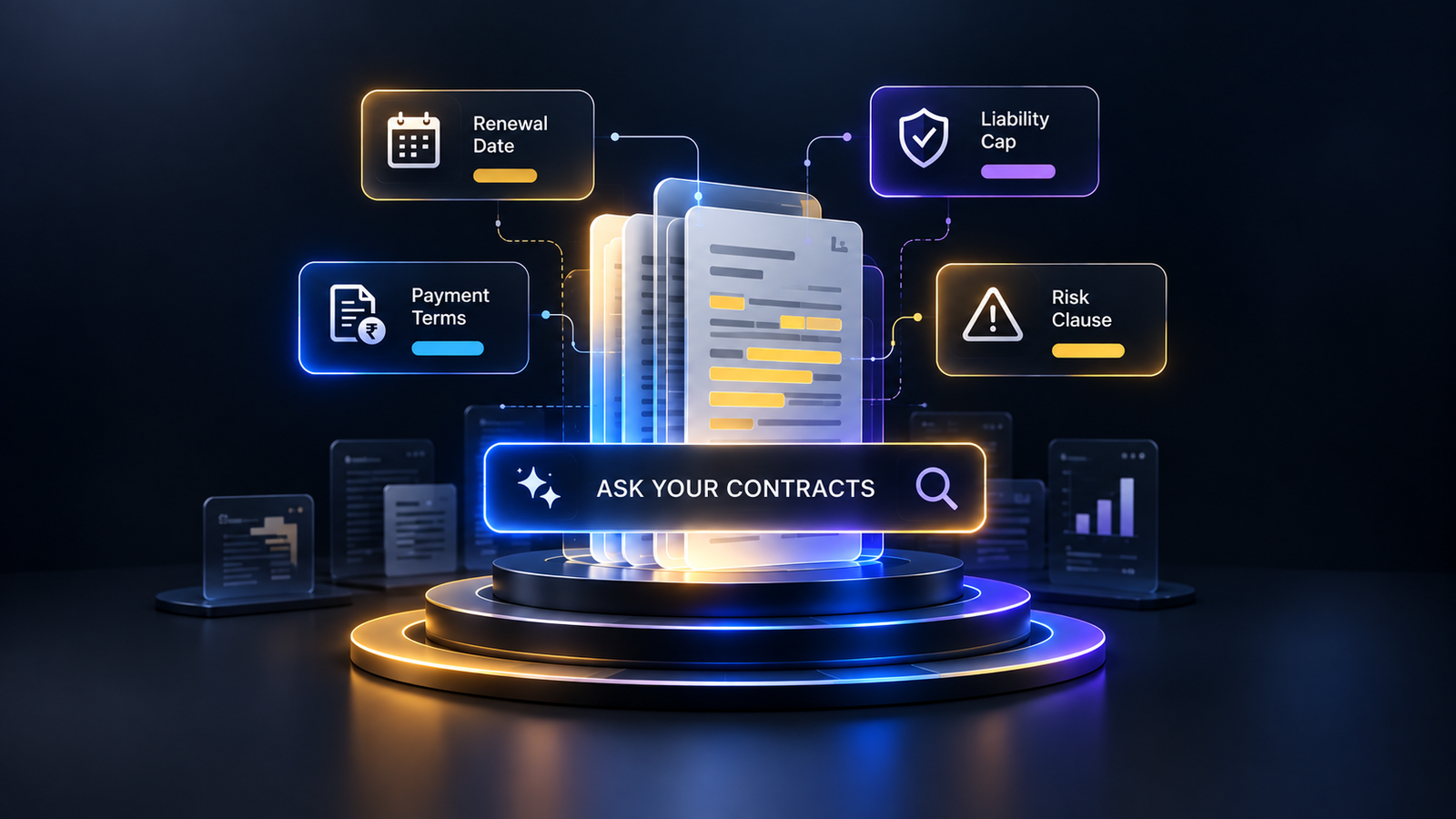
This is exactly why a unified Procurement Automation Software framework has become non-negotiable. It builds the solid, connected data foundation that enterprise-grade AI actually needs to function. Market solutions like ezAtlas ATLA and ezGuider AI are already proving this out. By binding contract intelligence, day-to-day workflows, supplier management, and machine learning into one single operational layer, they are helping modern organizations finally cross the bridge into a truly intelligent procurement ecosystem.
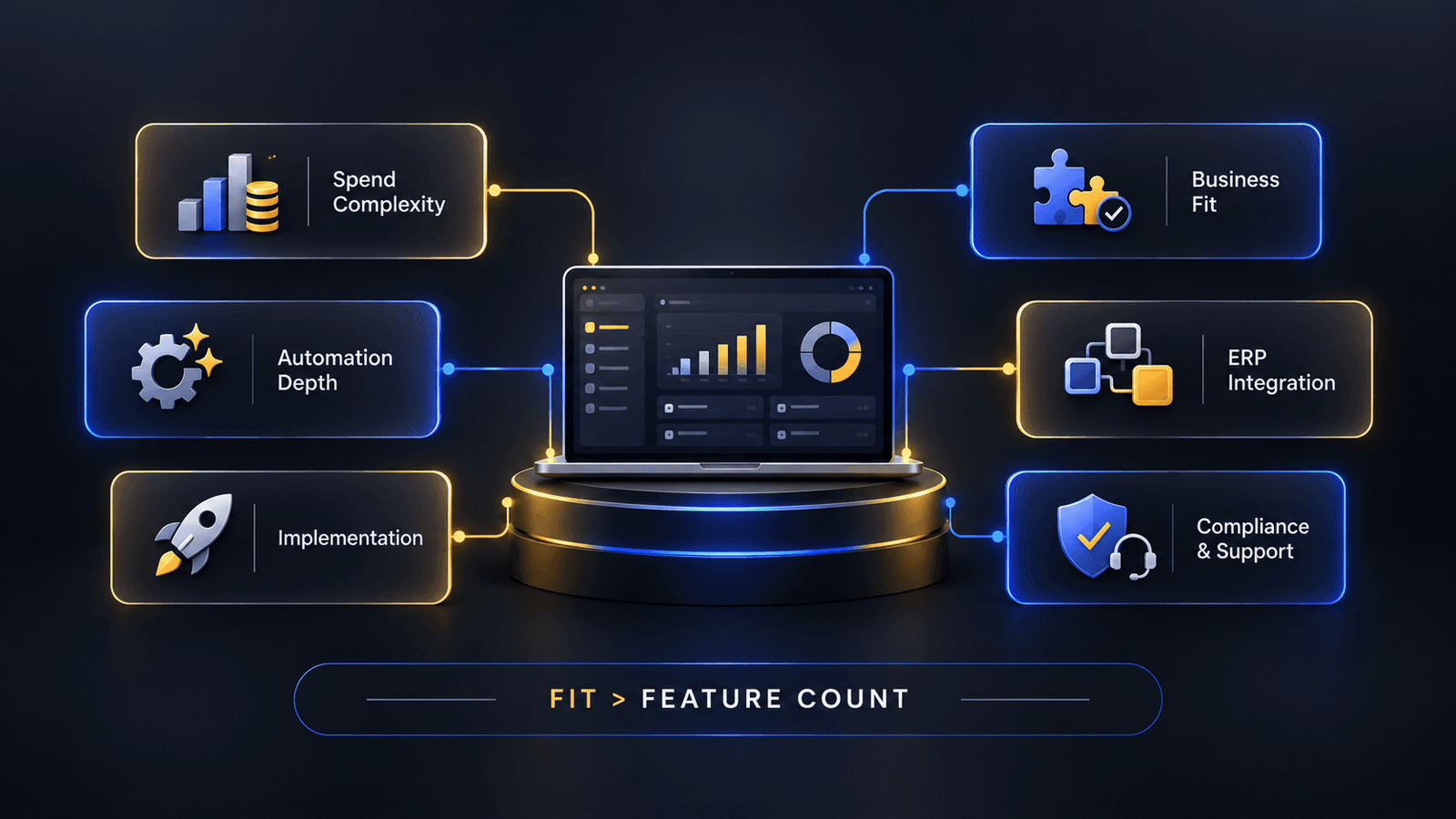
What Enterprises Should Evaluate Before Selecting a Platform
- Scalability: Make sure it actually handles wacky cross-border compliance laws, separate subsidiaries, and massive transactional spikes without falling apart.
- Integration: The system must snap directly into current ERP databases, finance trackers, and HR apps without a giant custom-coding headache.
- AI Enablement: Push for genuine predictive machine learning pipelines and automated analytics instead of cheap, rebranded search tools.
- Governance: Set strict internal corporate guardrails and messy multi-step sign-offs straight into the daily UI.
- Supplier Collaboration: Lock down intuitive vendor dashboards that force outside suppliers to abandon sloppy email threads permanently.
Conclusion
Modern businesses will never hit their purchasing goals using fragmented workflows that do not talk to each other. Real speed requires a setup that binds your legal agreements, supplier networks, and cash flows into one ecosystem. Deploying comprehensive procurement software automation via a single source-to-pay software foundation helps businesses slash risk, tighten governance, and unlock actual AI capabilities. This is exactly how forward-thinking platforms like ezAtlas ATLA, NEXUS, and ezGuider AI are moving companies past simple transactions and toward intelligent enterprise orchestration.
More Case Studies